




































- Stock: 2-3 Days
- Model: FES497525 7103
- Weight: 0.11kg
- Dim: 115.00mm x 87.00mm x 37.00mm
- SKU: FES497525
- UPC: 4014549147788
- Availability: Available online only
- Lead Time: 2 - 5 Working days
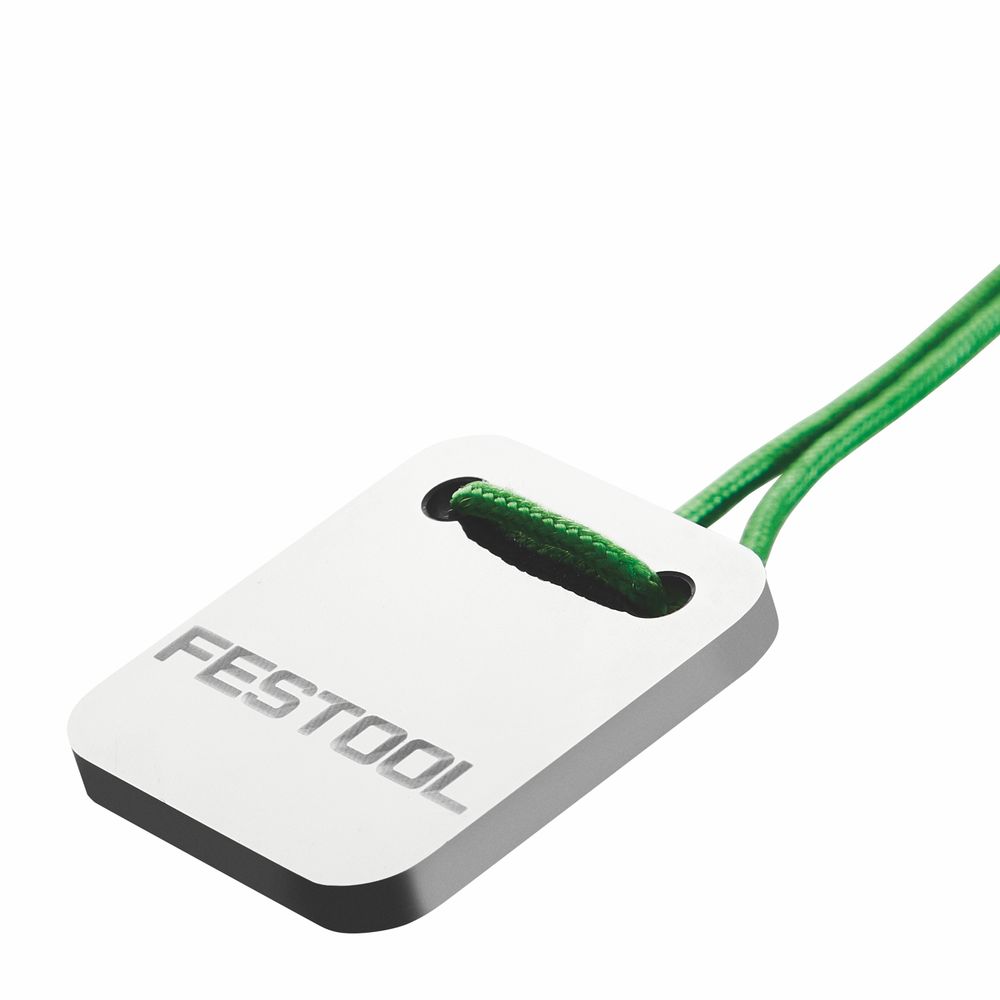
Festool LZK-HM Carbide Denibber 25 x 30mm
At a Glance: Precision hollow-ground carbide scraper with a slightly curved front edge and two flat lateral edges for removing dust particles and localised unevenness from finished surfaces.
The Festool LZK-HM Denibber is a compact precision tool designed for the controlled removal of trapped dust particles, raised nibs and small surface imperfections from painted, varnished and coated surfaces. Manufactured from durable carbide, the denibber features a hollow-ground cutting profile that produces a sharp, clean scraping action. Its slightly curved front blade allows individual dust particles and isolated defects to be targeted without unnecessarily affecting the surrounding finish. Two flat lateral edges provide greater contact with the surface when larger uneven areas need to be carefully levelled. Supplied with a convenient cord, this professional finishing accessory delivers the accuracy and control required for high-quality surface preparation and refinement.
The curved front blade concentrates the cutting action on a small, raised imperfection, while the flat side edges are suited to carefully scraping broader areas. This allows localised defects to be corrected before subsequent fine sanding, polishing or coating work.
Product highlights
- Precision defect removal: Designed for accurately removing trapped particles and localised surface unevenness.
- Carbide construction: Provides a durable, wear-resistant cutting edge for dependable professional use.
- Curved front blade: Makes it possible to target individual dust particles and raised imperfections precisely.
- Two flat lateral edges: Allow broader areas to be scraped and levelled with controlled contact.
- Hollow-ground cutting edge: Produces a sharp, clean scraping action for refined surface correction.
- Compact dimensions: The 25 x 30mm working size offers excellent control for detailed finishing work.
- Supplied with cord: Helps keep the compact denibber accessible and easier to handle or secure.
Extra Information
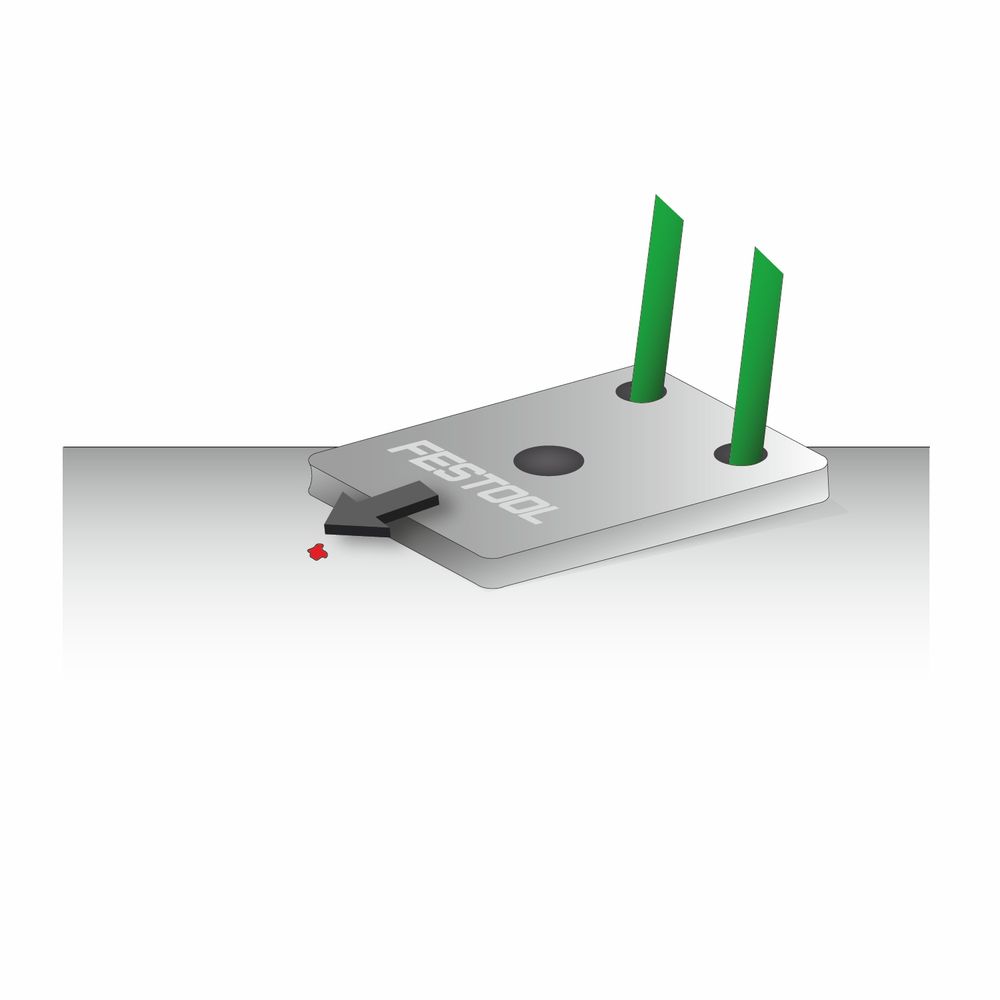
- The slightly curved front blade is intended for the targeted removal of individual dust particles and small raised defects.
- The two flat lateral edges can be used to scrape larger areas where broader surface contact is required.
- The coating should be sufficiently hardened before scraping to avoid tearing, smearing or damaging the finish.
- The denibber removes raised imperfections mechanically and should be used with light, controlled pressure.
- Depending on the finish, the corrected area may require subsequent fine sanding or polishing.
- This is a manually operated surface-finishing tool and does not require a compatible power tool.
Pro Tips
- Use a suitable surface inspection light to identify raised dust nibs and imperfections before beginning corrective work.
- Start with extremely light pressure and increase it gradually only if the defect is not being removed cleanly.
- Approach an isolated dust nib from different directions with the curved edge rather than attempting to remove it in one heavy pass.
- Keep the working edges clean, as dried coating residue can reduce cutting precision and scratch the surrounding surface.
- Test the technique on a sample or inconspicuous area when working with an unfamiliar coating system.
How to Use
- Ensure that the painted, varnished or coated surface has hardened sufficiently before attempting defect removal.
- Clean the surface carefully and inspect it under suitable lighting to identify the raised imperfection.
- Select the slightly curved front blade for an isolated dust particle or one of the flat lateral edges for a broader uneven area.
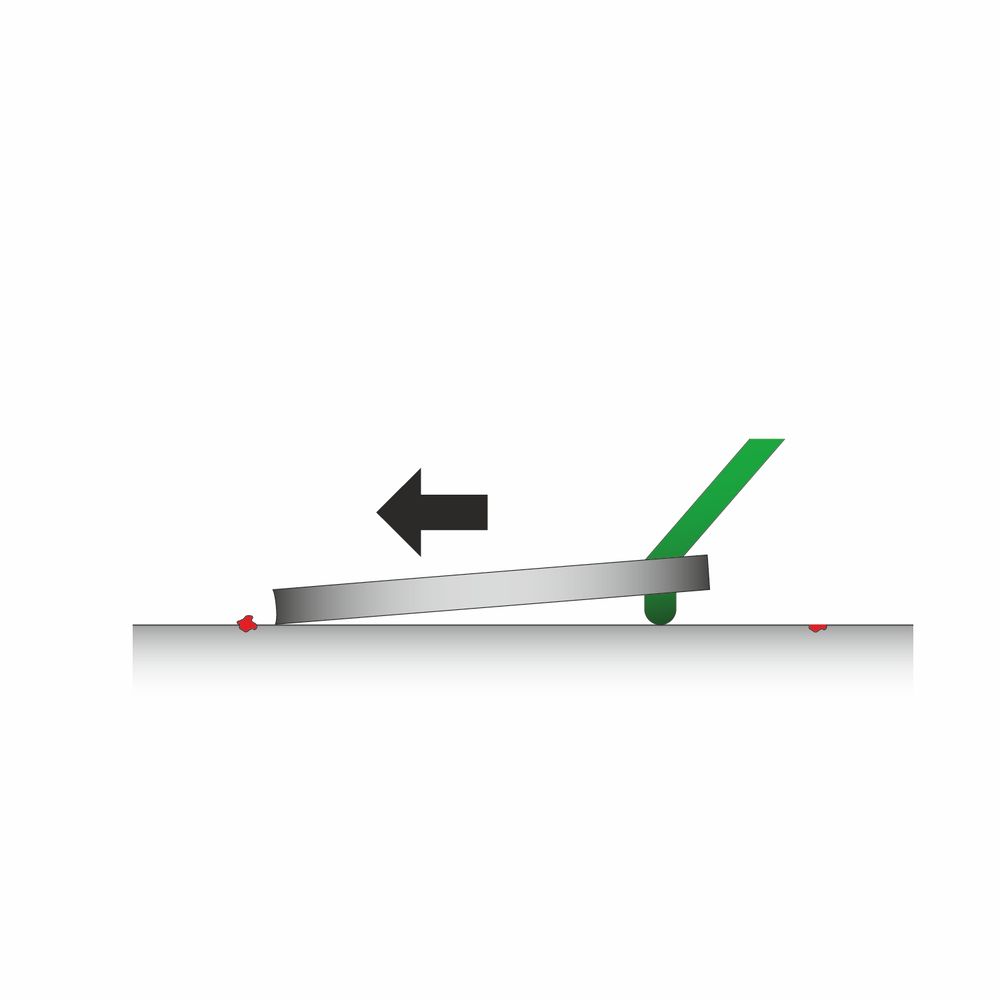
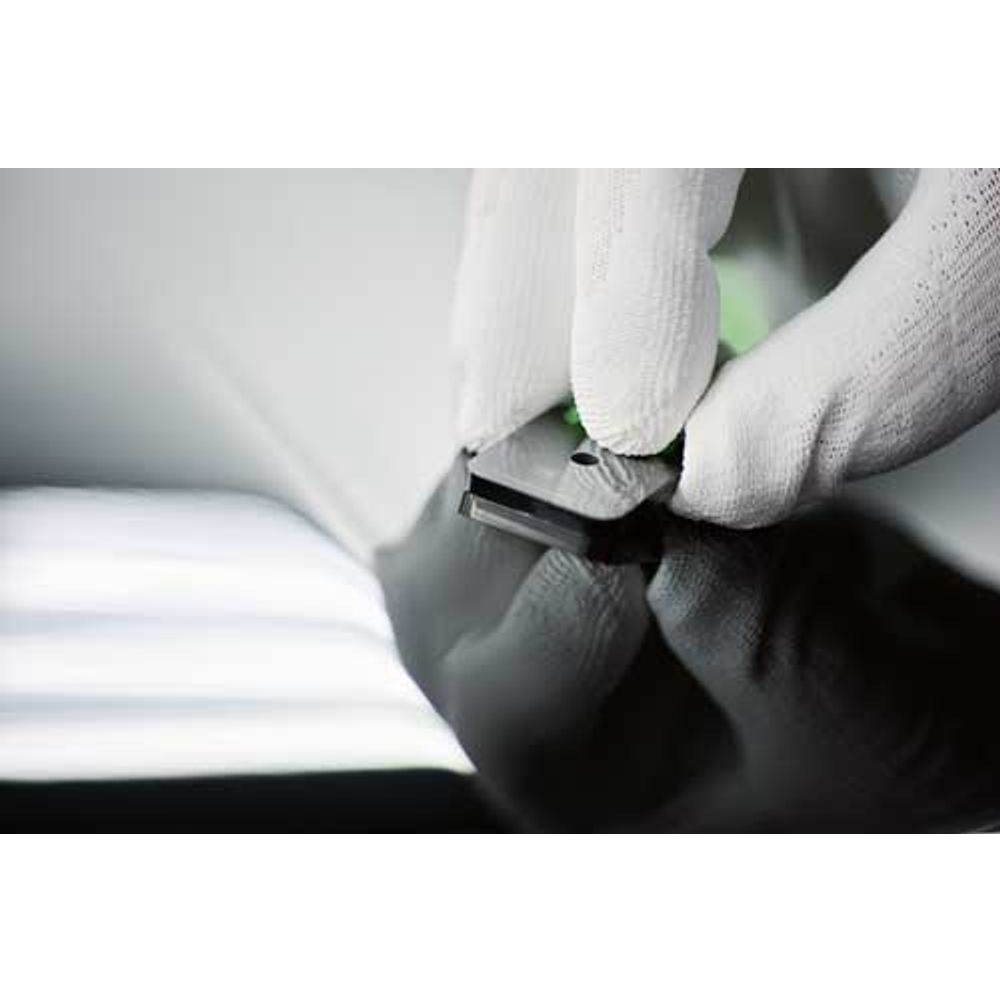
- Hold the denibber securely and position the selected edge against the raised defect at a shallow working angle.
- Move the edge across the imperfection using short, light and carefully controlled scraping strokes.
- Inspect the area frequently and stop as soon as the raised defect is level with the surrounding surface.
- Remove all loose particles and assess whether fine sanding or polishing is required to blend the corrected area.
- Clean the denibber after use and store it where the carbide edges cannot be damaged or cause injury.
Features
- High-quality carbide body: Offers excellent edge retention and resistance to wear.
- Slightly curved front edge: Concentrates the scraping action on isolated surface defects.
- Flat side edges: Provide stable contact when working across larger uneven areas.
- Hollow-ground profile: Creates sharp cutting edges for accurate and controlled material removal.
- Manual operation: Gives the user direct control over pressure, direction and the amount of material removed.
- Compact professional design: Easy to position accurately on small surface imperfections.
Benefits
- Corrects isolated defects efficiently: Removes raised particles without requiring the entire surface to be aggressively sanded.
- Protects the surrounding finish: The curved front blade allows highly targeted contact when used with care.
- Supports superior finishing results: Helps prepare a level surface before fine sanding, polishing or applying the next coating.
- Versatile edge selection: Choose between the curved front blade for individual defects and the flat edges for larger areas.
- Long-lasting performance: The carbide construction retains an effective cutting edge through regular professional use.
- Excellent user control: Manual scraping allows gradual material removal with immediate visual feedback.
Application
- Targeted removal of trapped dust particles from finished surfaces.
- Removing raised nibs from painted or varnished surfaces.
- Correcting small localised coating imperfections.
- Carefully levelling broader areas of surface unevenness.
- Preparing corrected areas for fine sanding or polishing.
- Professional paint, varnish and furniture-finishing work.
- Automotive, joinery and high-quality surface-refinishing applications.
Safety
- Wear suitable eye protection when scraping brittle coatings or raised particles.
- The hollow-ground carbide edges are sharp; handle the denibber carefully and keep fingers behind the working edge.
- Use light, controlled pressure to reduce the risk of slipping, gouging the surface or causing injury.
- Do not use the denibber as a pry bar, wedge or general-purpose cutting tool.
- Avoid dropping or striking the carbide tool, as carbide can chip or fracture under impact.
- Do not use the denibber if an edge is chipped, cracked or otherwise damaged.
- Keep the tool out of reach of children and protect the cutting edges during transport and storage.
- Follow the coating manufacturer&s instructions regarding curing time, surface correction and personal protective equipment.
Specifications
| Description | Spec |
|---|---|
| Brand | Festool |
| Cat No. | FES497525 |
| Manufacturer Order No. | 497525 |
| Product Type | Denibber / Precision Surface Scraper |
| Model | LZK-HM |
| Dimensions | 25 x 30mm |
| Material | Carbide |
| Edge Profile | Hollow Ground |
| Front Blade | Slightly Curved for Targeted Defect Removal |
| Lateral Edges | 2 Flat Scraping Edges |
| Operation | Manual |
| Primary Function | Removal of Trapped Particles and Surface Unevenness |
| Cord Included | Yes |
Scope of Delivery:
- 1 x Festool LZK-HM Carbide Denibber
- 1 x Cord